


Summary
Blue or grey eyebrow tattoos usually happen when old pigment cools down, sits too deep, or was previously covered with the wrong color. The best correction is not always covering immediately; some brows need color boost treatment, while darker or saturated brows may need laser first.
This option is suitable for people with faded, ashy, blue-grey, or uneven eyebrow tattoos who want a softer natural brow tone. People with very dark, thick, raised, infected, or freshly tattooed brows should avoid quick cover-ups without professional assessment.
Key Takeaways
- Blue or grey brows usually need warmth correction, fading, or both before reshaping.
- Covering works best when the old pigment is light, flat, and not too saturated.
- Laser first may be safer when the old brow is dark, dense, or wrongly shaped.
- Color boost treatment can restore natural brow tone when the base is suitable.
- A custom assessment prevents brows from becoming too dark, muddy, or unnatural.
- Do not follow eyebrow trends if your old pigment needs correction first.
📋 Table of Contents
- Why do old eyebrow tattoos turn blue or grey?
- Can blue or grey eyebrow tattoos be covered directly?
- When is color boost treatment the better choice?
- When should laser be done before correction?
- How do professionals decide between cover, color boost, and laser first?
- What should foreigners in HCMC check before booking eyebrow correction?
- What do experts usually recommend?
- What are the most common questions about blue or grey eyebrow correction?
- How should you make the safest final decision?
Why do old eyebrow tattoos turn blue or grey?

Old eyebrow tattoos often turn blue or grey because the remaining pigment has cooled over time, was implanted too deeply, or lost its warm brown components faster than its darker base. In many cases, the visible color is not a surface problem but a pigment-depth and color-balance issue.
- Cool pigments can become more visible as warm tones fade away.
- Deep pigment may look bluish under the skin.
- Repeated dark cover-ups can create a heavy grey base.
- Oily skin may blur pigment faster over time.
- Sun exposure and skincare acids can affect color stability.
- Old techniques may leave dense blocks instead of soft brows.
In professional eyebrow color correction, the goal is not simply to make the brows darker. The specialist must understand the old pigment, skin undertone, brow shape, and remaining saturation before choosing a correction plan. A blue brow correction that ignores these factors may look warm at first but can heal muddy, heavy, or uneven after several weeks.
Can blue or grey eyebrow tattoos be covered directly?

Blue or grey eyebrow tattoos can sometimes be covered directly, but only when the old pigment is light enough, the shape is still acceptable, and the skin is not overloaded. Direct cover is usually suitable for soft ashy brows, not for very dark, thick, or strongly misplaced eyebrow tattoos.
- Direct cover may work when the old brow is faded and flat.
- The existing shape must not be too high, low, thick, or uneven.
- The skin should have enough space to accept new pigment safely.
- The new color must neutralize cool tones before adding definition.
- Overly dark brows should not be covered again immediately.
- Correction should prioritize healed results, not only fresh photos.
A direct cover-up is often tempting because it feels faster, but it is not always the most natural solution. If the old base is too cool and saturated, adding more brown pigment can create a dark grey-brown result after healing. For a softer outcome, Luxie may recommend gentle brow definition only when the existing pigment gives a safe foundation.
When is color boost treatment the better choice?
Color boost treatment is usually better when the old eyebrow tattoo has faded into a blue-grey or ashy tone but still has a usable shape. Instead of creating a completely new brow, the technique focuses on restoring warmth, balancing brow tone, and making the brows look fresher without excessive darkness.
- It is suitable for brows that are faded but not too dense.
- It can help restore natural brow tone gradually.
- It works best when the old shape still fits the face.
- It may soften grey undertones without aggressive removal.
- It should be planned based on healed color, not fresh color.
- It is not ideal for very dark or raised old tattoos.
A good color boost treatment is controlled, conservative, and customized. The artist must choose the right warmth level so the brows do not become orange, red, or too bold. For many clients in HCMC, especially those who want natural shaded brows rather than dramatic makeup brows, this approach can be a practical middle path between full cover and laser.
When should laser be done before correction?

Laser should be considered first when the old eyebrow tattoo is too dark, too thick, badly shaped, or heavily saturated. In these cases, adding more pigment may make correction harder, while controlled fading can create a cleaner base for future eyebrow pigment correction or a more natural redesign.
- Laser may be needed when the old brow is almost black or navy.
- It helps when the brow shape is too wide or misplaced.
- It can reduce pigment density before a new design.
- It may prevent the final brows from looking heavy.
- Several sessions may be needed depending on pigment depth.
- Correction should begin only after the skin has recovered.
Advanced laser tattoo removal is not just about removing everything; sometimes the goal is strategic fading. By lightening the darkest parts first, the artist has more freedom to rebuild shape, color, and softness later. This is especially important for clients who want realistic hairstroke brows or a cleaner, more natural eyebrow style after years of old pigment buildup.
How do professionals decide between cover, color boost, and laser first?
Professionals decide by examining pigment darkness, undertone, skin condition, old brow shape, and the client’s desired result. The safest plan is based on what the skin can realistically accept, not only on what style the client wants from a photo or social media trend.
- Light grey brows may be suitable for correction or soft cover.
- Medium blue-grey brows may need warming and tone balancing.
- Dark blue or black brows often need laser fading first.
- Wrong shapes should not be covered just to save time.
- Scarred or sensitive skin needs a more cautious plan.
- Desired style must match the existing pigment condition.
In real consultations, one person may need a single color correction session, while another may need fading first, then a new brow design later. This is why photo assessment is useful before booking. Clear front-facing photos, close-up brow photos, and natural light images help the specialist judge whether correction can be done safely or whether laser is the wiser first step.
What should foreigners in HCMC check before booking eyebrow correction?
Foreigners in HCMC should check whether the studio explains correction options clearly, assesses old pigment before promising results, and understands natural brow preferences across different face structures. Communication matters because blue or grey eyebrow correction requires realistic expectations, not a one-size-fits-all beauty trend.
- Ask whether English consultation is available before booking.
- Send clear photos of your brows in natural daylight.
- Ask if your brows need correction, fading, or redesign.
- Review healed results, not only fresh procedure photos.
- Check hygiene standards and personal tool handling.
- Avoid studios that promise perfect correction in every case.
Many expats prefer natural, face-balanced brows rather than overly dark or sharply shaped brows. For that reason, eyebrow correction should be planned around daily appearance, skin tone, hair color, and lifestyle. In HCMC’s sunny and humid climate, aftercare and pigment selection also matter because healing behavior can influence long-term color retention.
What do experts usually recommend?
Experts usually recommend assessing the old pigment first, choosing the least aggressive effective option, and avoiding trend-based brow styles when correction is needed. The best result is often a staged plan: stabilize the color, fade what cannot be covered, then rebuild the brows naturally.
- Do not cover a dark blue brow with more dark brown pigment.
- Do not choose a trendy shape if the old tattoo limits placement.
- Do not judge results only by immediately-after photos.
- Do not rush correction when the skin is irritated or damaged.
- Do not expect laser, cover, and color correction to work the same for everyone.
- Do choose a plan based on healed color and long-term softness.
In professional practice, the most common mistake is trying to solve every old eyebrow tattoo with one quick cover-up. Some brows only need warmth and balance; others need laser fading before any new pigment is added. Readers should avoid following social media trends such as very straight, very dark, or ultra-defined brows if their old pigment already creates shape or color limitations.
What are the most common questions about blue or grey eyebrow correction?
Can blue eyebrow tattoos turn brown again?
Yes, some blue eyebrow tattoos can be corrected toward a softer brown tone if the old pigment is light enough. Dark or saturated blue brows may need laser fading first.
Is laser always required for grey eyebrow tattoos?
No. Laser is not always required. Light grey brows with a good shape may be improved with color correction or color boost treatment instead.
Can I get realistic hairstroke brows over old blue brows?
Sometimes, but only if the old pigment is light and not too blurry. Dense blue-grey pigment can hide fine hair-like strokes after healing.
How many sessions are needed to fix blue or grey brows?
It depends on pigment depth, darkness, skin condition, and desired result. Some clients need one correction session, while others need laser first and later redesign.
Will eyebrow correction look too dark at first?
Fresh correction may look warmer or darker at first, then soften during healing. The important result is the healed color, not the first-day appearance.
Can old eyebrow tattoo correction fix the shape too?
Shape can be improved only if the old pigment allows it. If the old shape is too wide, high, or uneven, laser fading may be needed first.
Is blue brow correction suitable for sensitive skin?
It may be suitable after professional assessment. Sensitive, irritated, or recently treated skin should recover before any correction or laser session.
How should you make the safest final decision?
The safest decision is to choose the correction method based on your current brow condition, not on the fastest option. If your old pigment is light and well-shaped, cover or color boost may work; if it is dark, dense, or misplaced, laser first may protect the final result.
- Choose cover only when the old pigment is light enough.
- Choose color boost when the shape is usable but the tone is ashy.
- Choose laser first when the pigment is too dark or badly shaped.
- Ask to see healed correction results before deciding.
- Prioritize natural brow tone over strong first-day color.
- Make your decision after a proper photo or in-person assessment.
Blue or grey eyebrow tattoo correction is not a simple beauty service; it is a technical decision involving skin, pigment, shape, and long-term healing. A careful plan can help restore natural brows, while a rushed cover-up can create darker and harder-to-fix results. For the best outcome, focus on assessment, realistic expectations, and a correction path that respects your skin.
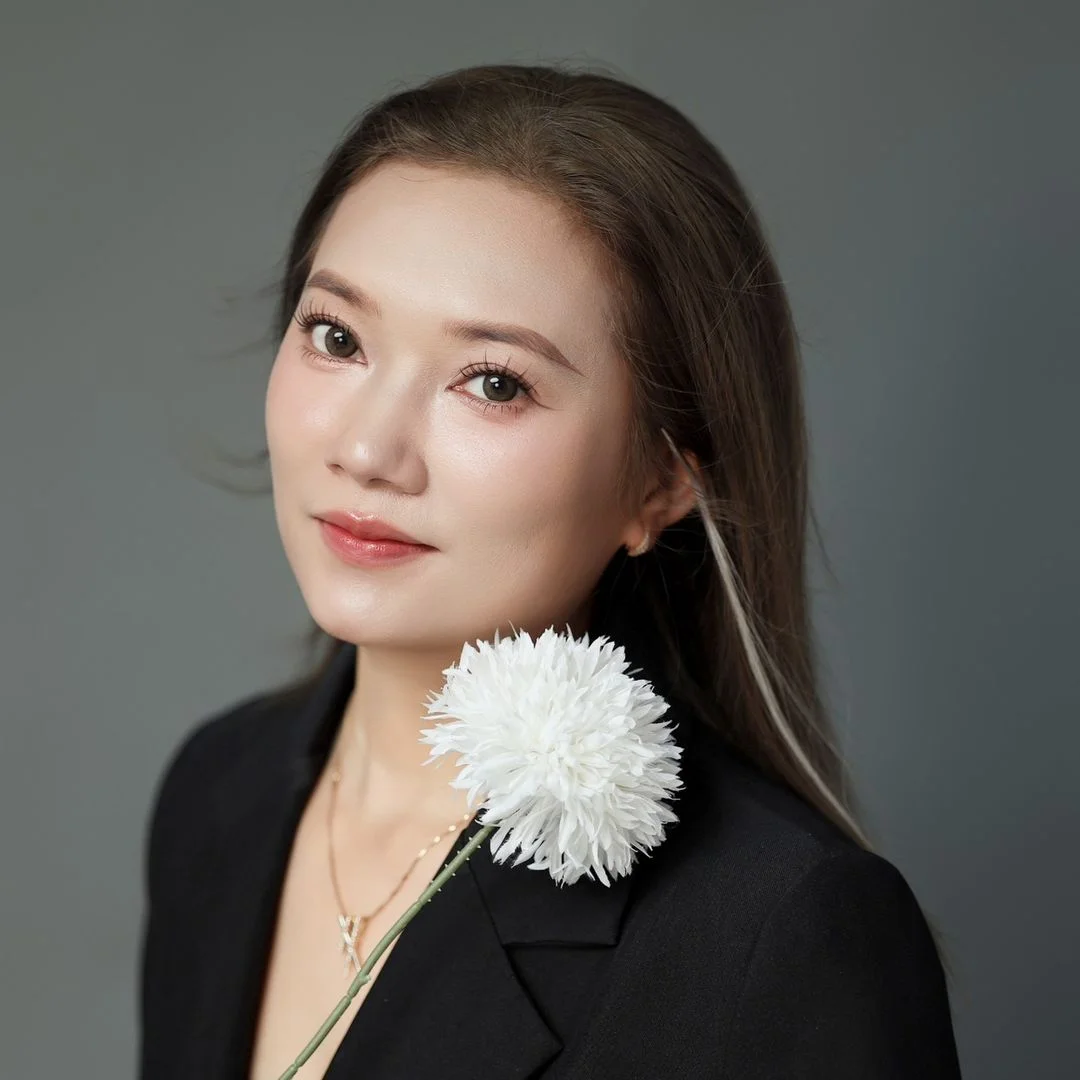
Head and owner of LUXIE - a new technology cosmetic tattooing brand in District 10, Ho Chi Minh City. Specializes in natural-looking eyebrow and lip shaping, with a high aesthetic sense and meticulous attention to detail in every product.
- "Artist" Mindset: Experts design eyebrow and lip shapes based on the golden ratio of each individual's face, instead of adhering to a generic formula.
- Specializes in the hottest technologies such as Invisible Hairstroke (for both men and women), creating soft, natural-looking eyebrow strokes.
- Correction of Imperfections: Experts have in-depth expertise in lip darkening correction (for both men and women) and laser treatment to remove faded or damaged eyebrow shapes.


